
Lithium Battery Shredder Machine for Sale | Li-Ion Battery Crusher & Recycling Specialized twin-shaft lithium battery shredder with nitrogen protection, explosion-proof, safe crushing of EV and Li-ion batteries. Factory-direct with 12-month warranty. Get a quote today.
advantage Durable and sturdy, with low energy consumption
Get a Quick Quote & Free Consultation →
Spent lithium batteries are a recycling goldmine — and a serious safety bomb. Charged Li-ion cells can short-circuit during crushing, releasing explosive electrolyte vapor and triggering catastrophic thermal runaway. Standard shredders cannot handle the fire, gas, and toxic fume risks. Recycling processors face a critical bottleneck: how do you safely feed hazardous, energy-dense batteries into a shredder without endangering your facility?
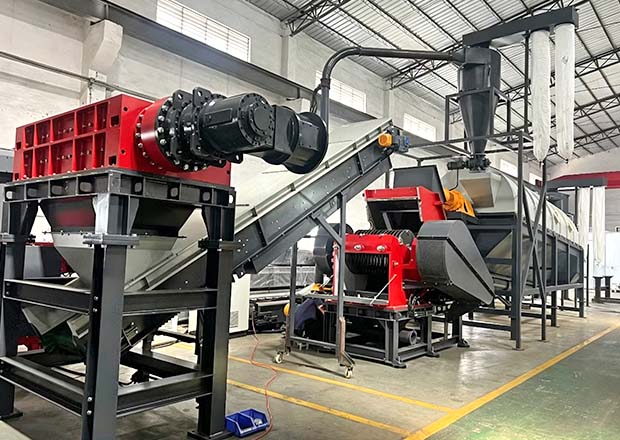
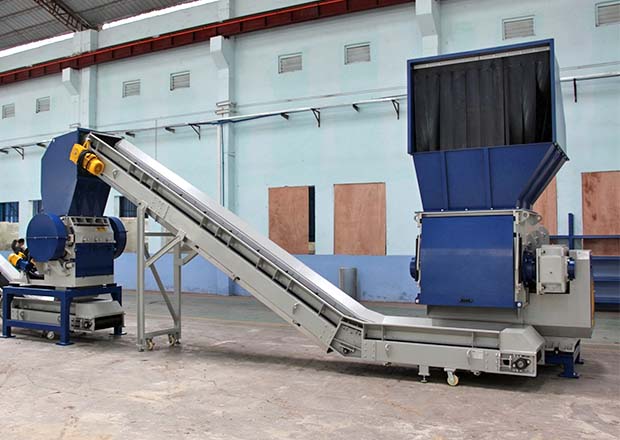
Our Heavy-Duty Lithium Battery Shredder is engineered specifically to neutralize these dangers. With a fully sealed, nitrogen-inerted cutting chamber, oxygen is displaced to prevent combustion. The twin-shaft, ultra-low-speed shearing tears through 18650 cells, pouch batteries, and complete EV modules without generating sparking heat. Electrolyte is contained, captured, and safely vented. The result: safe, continuous battery shredding that liberates black mass, copper foil, aluminum foil, and plastic separators for downstream hydrometallurgical or pyrometallurgical recovery. Don’t gamble with battery fires — use a shredder built for the chemistry.
| Model | Motor Power | Rotor Diameter | Chamber Size (L×W) | Blades Qty | Gas Protection | Capacity (Li-Ion Cells / EV Modules) |
|---|---|---|---|---|---|---|
| LBR-400 | 15+15 kW | 250 mm | 400×500 mm | 20 pcs | N₂ Inerting | 100–200 / — kg/h |
| LBR-600 | 22+22 kW | 300 mm | 600×800 mm | 30 pcs | N₂ Inerting | 200–400 / 300–500 kg/h |
| LBR-800 | 37+37 kW | 350 mm | 800×1000 mm | 40 pcs | N₂ Inerting | 400–800 / 500–1,000 kg/h |
| LBR-1000 | 55+55 kW | 420 mm | 1000×1200 mm | 50 pcs | N₂ Inerting | 800–1,500 / 1,000–2,000 kg/h |
| LBR-1200 | 75+75 kW | 480 mm | 1200×1500 mm | 60 pcs | N₂ Inerting | 1,500–2,500 / 2,000–3,500 kg/h |
Capacity estimated for discharged and pre-treated Li-ion cells and modules. Throughput varies with cell type, state of charge, and module size. The N₂ inerting system, gas extraction, and explosion-proof configuration are standard. Custom solutions available for specific battery form factors (cylindrical, pouch, prismatic).
18650 & Cylindrical Cells: Consumer electronics cells, power tool batteries, and cylindrical EV cells. Crushed safely in bulk; steel casings are sheared and separated from black mass downstream.
Pouch Cells: Lithium polymer pouch cells from smartphones, tablets, laptops, and EV battery packs. Gentle shearing prevents internal shorting during processing.
Prismatic Cells & Modules: Large prismatic cells and complete battery modules from electric vehicles and energy storage systems. Pre-discharged and disassembled into manageable sections for safe feeding.
End-of-Life EV Battery Packs: Complete or partially dismantled EV traction battery packs. Our larger models (LBR-1000+) can accept entire sub-modules after mechanical size reduction upstream.
Battery Production Scrap: Off-spec electrodes, foil trim, separator waste, and rejected cells from battery manufacturing lines. Recovers valuable cathode and anode materials.
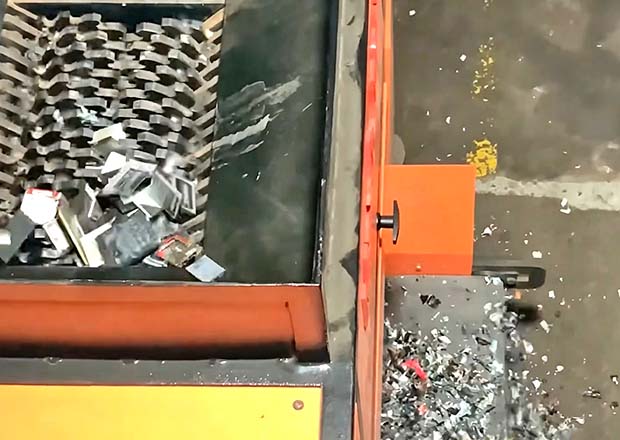
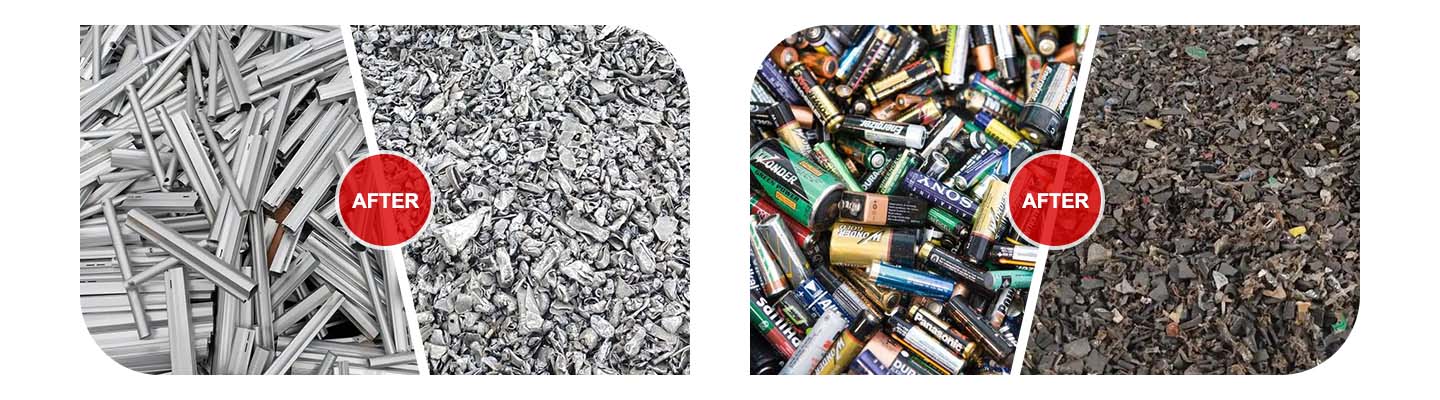
Black Mass Concentrate Preparation: Shredded battery material, 15–30mm, perfectly conditioned for secondary granulation and black mass separation via screening, air classification, and magnetic separation.

Factory-Direct Battery Recycling Specialization: You work directly with our engineering team, who specialize in the unique safety challenges of Li-ion battery processing. We manufacture sealed chambers, inerting systems, and explosion-proof controls in-house — delivering a turn-key shredding solution purpose-built for batteries, at a competitive factory price.
12-Month Comprehensive Warranty: All core mechanical systems, sealing components, and gas safety controls are fully covered. Our remote support team responds within 12 hours with video-guided diagnostics and safety checks to minimize operational disruption.
Fast-Response Spare Parts & Compliance Support: We stock critical wear and safety components — blades, mechanical seals, gaskets, sensors — for immediate dispatch. Our technical guidance is grounded in real battery processing data: we train your operators on safe machine operation, preventive maintenance, and what to watch for when processing different battery chemistries.
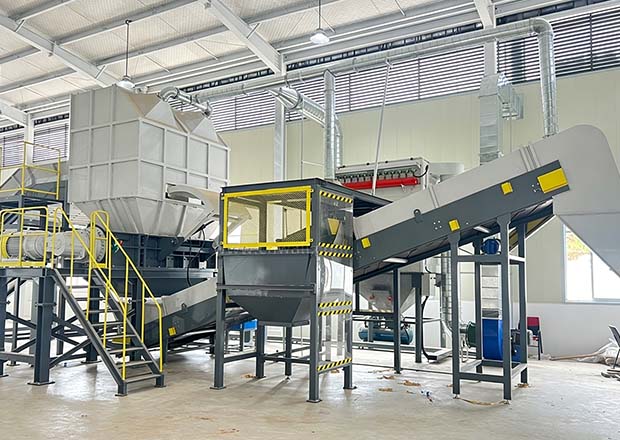
Complete Battery Recycling Plants: From discharge stations and pre-shredding to secondary grinding, black mass separation, and electrolyte treatment, we design and deliver complete, integrated Li-ion battery recycling lines. One partner, one safety standard, one responsibility.
Tell us about your battery recycling project — battery types, volumes, and throughput targets. Send photos or material specifications today. Our safety engineers will design a customized, ATEX-aligned shredding solution and deliver a complete proposal with hazard analysis and transparent pricing within 24 hours.
Tell us your production requirements and we will provide you with the best solution within 24 hours.
We're here to help with all your inquiries. Send us a message and we'll get back to you promptly.
Fill out the form below and we'll contact you soon