
Biomass Pellet Machine – Convert Agricultural & Forestry Waste into Premium Fuel Pellets Subheadline: Flat Die & Ring Die Pellet Mills for All Biomass Materials | 200–3000 kg/h | Process Sawdust, Rice Husk, Straw, Coffee Shell & More | Electric, Diesel & PTO Drive
advantage Durable and sturdy, with low energy consumption
Get a Quick Quote & Free Consultation →
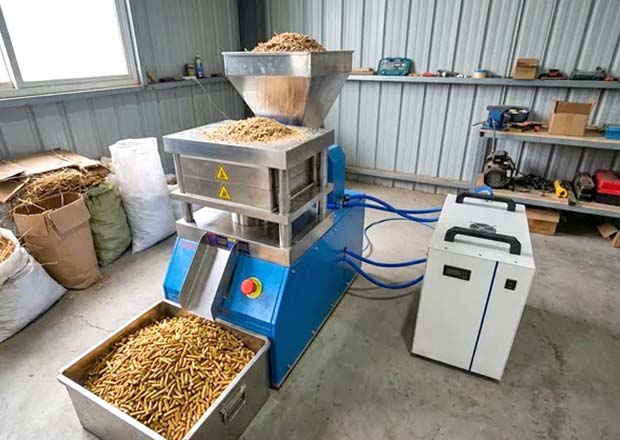
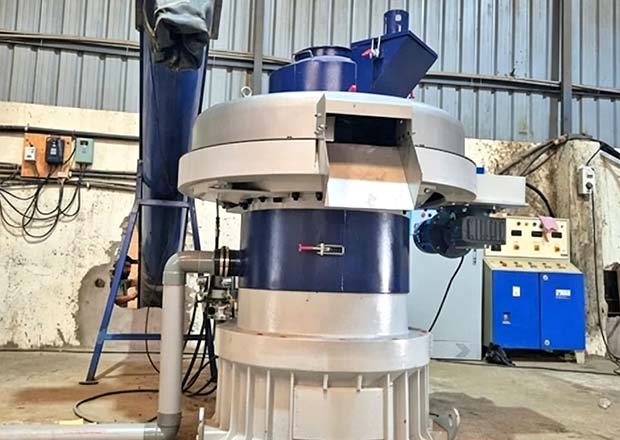
The Biomass Pellet Machine is a heavy-duty flat die or ring die pellet mill specifically engineered to compress a wide variety of agricultural and forestry residues into dense, uniform, and clean-burning fuel pellets. Whether you have mountains of sawdust from a timber yard, rice husks from a mill, wheat straw after harvest, coffee shells from a processing plant, or peanut shells from an oil factory, this single machine transforms those low-value by-products into a renewable energy source with a calorific value of 4,000–4,800 kcal/kg. By pelleting on site, you eliminate costly waste disposal, create a sellable heating fuel for stoves and boilers, and reduce your dependence on coal, oil, and gas. The high-compression die design, double-roller anti-slip system, and hardened alloy steel components ensure reliable, continuous production even with abrasive, fibrous, or dry materials.
Process Over 30 Biomass Materials: From wood residues (sawdust, shavings, bark) to agricultural waste (rice husk, wheat straw, corn stalks, bagasse, coffee husk, groundnut shell, coconut shell) — this machine handles them all. You are never locked into a single feedstock.
Eliminate Waste Disposal Costs & Generate Income: Sawmills, rice mills, and food processors often pay to remove their waste. A biomass pellet machine turns that expense into a revenue stream. Sell the pellets to households, restaurants, brick kilns, or power plants.
High-Density, Maximum Energy Content: Our high-compression dies (ratio 1:5 to 1:7) compress loose biomass into pellets with a density of 1.1–1.3 g/cm³. This dramatically increases energy density per cubic meter, reduces transportation cost, and extends burn time.
Clean, Low-Ash Combustion: Pure biomass pellets produce minimal ash (0.5–3% depending on material) and far less smoke and sulfur than coal or raw biomass. They meet emission standards for modern pellet stoves and automated boilers.
Double Roller Anti-Slip Design: Two large alloy steel rollers press material evenly through the die, preventing the slippage and blockage common with single-roller machines when processing dry, dusty biomass like rice husk or fine sawdust.
Built for Abrasive, High-Fiber Materials: 20CrMnTi alloy steel rollers and dies, vacuum heat-treated to HRC58-62, withstand the constant abrasion of silica-rich rice husk and tough wood fiber. ZQ heavy-duty gearbox and NSK/SKF bearings enable 24/7 operation.
Energy Independence for Farms & Businesses: Replace costly LPG, diesel, or coal with your own fuel pellets. Heat greenhouses, poultry sheds, workshops, and homes for a fraction of the cost.
Detailed Technical Specifications – FL-300 Biomass Pellet Machine
*(The following data is for our best-selling flat die model. Six models available from 200 kg/h to 1500 kg/h. Ring die lines up to 3+ tons/h also available.)*
| Parameter | Specification |
|---|---|
| Model | FL-300 Flat Die Biomass Pellet Mill |
| Number of Rollers | 2 (large diameter, anti-slip profile) |
| Output Capacity (Varies by Material) | 400–600 kg/h (softwood sawdust, Φ6–8mm) 350–500 kg/h (rice husk, Φ6–8mm) 300–450 kg/h (straw/grass mix, Φ8mm) 250–400 kg/h (peanut/coffee shell, Φ6mm) |
| Pellet Diameter Options | 6mm, 8mm (standard fuel); 10mm, 12mm (industrial/large stoves) |
| Pellet Density | 1.1–1.3 g/cm³ |
| Calorific Value of Pellets | 4,000–4,800 kcal/kg (material-dependent) |
| Ash Content | 0.5–3% (pure biomass; bark or soil contamination increases ash) |
| Forming Rate | ≥93% (fibrous materials); ≥95% (wood-based) |
| Die Compression Ratio | 1:5 – 1:7 (optimized per feedstock) |
| Main Motor | 37 kW (50 HP), 3-phase, voltage customizable |
| Roller & Die Material | 20CrMnTi alloy steel, HRC58-62 |
| Die Service Life | 500–800 tons (abrasive biomass); 800–1,000 tons (clean softwood) |
| Roller Service Life | 400–600 tons per set (re-groovable) |
| Bearings | NSK / SKF |
| Gearbox | ZQ-350 heavy-duty oil-bath, noise ≤75 dB |
| Feeding | Gravity hopper with manual gate; automatic screw feeder optional |
| Machine Weight | 720 kg net / ~850 kg gross (fumigated wooden crate) |
| Machine Dimensions (L×W×H) | 1650×750×1600 mm |
| Raw Material Requirements | Moisture: 10–15%; Particle size: <5mm (pre-grinding with hammer mill recommended) |
| Drive Options | Electric / Diesel / PTO |
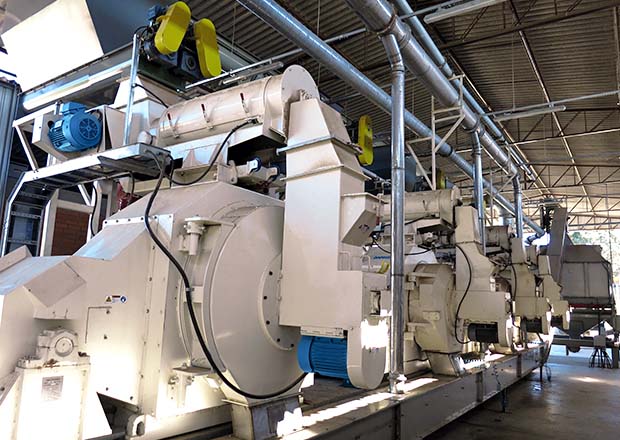
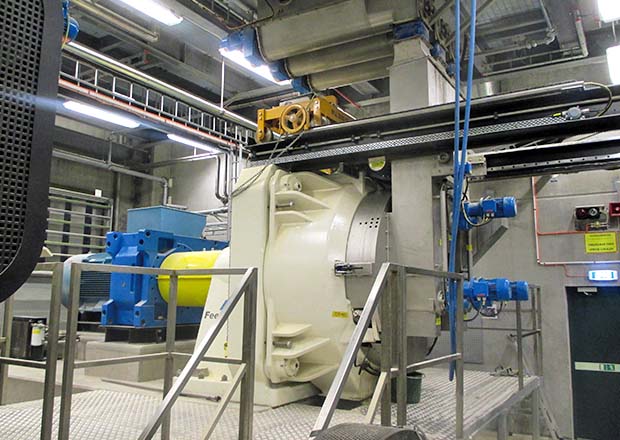
| Larger Capacities | FL-400 (800–1200 kg/h); SZLH ring die series (1–3+ ton/h) |
Waste Disposal Costs Eliminated: Rice mills and sawmills report saving $3,000–$15,000 per year in disposal fees. Waste is now their primary product, not a liability.
70–80% Reduction in Heating Costs: Greenhouses, poultry farms, and workshops using self-made biomass pellets instead of coal or gas cut their annual heating bills by up to 80%, achieving full machine payback in 4–10 months.
New Revenue from Pellet Sales: Excess pellets sold locally fetch $100–$250 per ton depending on the market. A single FL-300 machine produces enough fuel daily to supply 50–100 households.
Renewable Energy Compliance: Biomass pellets are recognized as carbon-neutral fuel in many regions. Users report easier environmental permits and access to green subsidies and carbon credit programs.
High Operational Reliability: With simple greasing and periodic die cleaning, users average 340+ production days per year, even when processing abrasive rice husk and straw.
Which Biomass Materials Can You Pelletize?
The Biomass Pellet Machine is the universal solution for converting solid residues into fuel. Common feedstocks include:
Wood Waste: Sawdust, wood shavings, wood chips, bark, sanding dust, offcuts
Agricultural Residues: Rice husk, wheat straw, corn stalks, soybean stalks, bagasse, cotton stalks
Agro-Processing By-Products: Coffee husk, groundnut shell, coconut shell, palm kernel shell, olive pomace
Other Dry Biomass: Sunflower husk, hemp shives, hay, miscanthus, bamboo powder
Important: For best results, biomass should be dried to 10–15% moisture and ground to <5mm particle size. We can supply the matching dryer and hammer mill.

We configure the ideal pellet machine based on your available feedstock and daily output target:
Model Selection: FL-200 (200–300 kg/h) for small farms; FL-300 (400–600 kg/h) for medium operations; FL-400 (800–1200 kg/h) for large workshops; ring die lines for 1–3+ tons/h
Power Options: Electric (220V/380V/440V/480V), diesel engine, or tractor PTO
Die Package: Include 6mm and 8mm dies as standard; 10mm/12mm optional
Complete Production Line: Add hammer mill, rotary dryer, pellet cooler, vibrating sieve, and automatic bagging machine for a turnkey biomass fuel plant
Export Packing: Fumigated wooden crate, VCI anti-rust film, bolted and metal-strapped
Standard machines ship within 7 working days. Full production lines within 15–25 working days.
Turn Your Biomass Waste into a Profitable Fuel Business Today
Stop burning, burying, or paying to dispose of your agricultural and forestry waste. Invest in a Biomass Pellet Machine and transform every ton of residue into a ton of renewable fuel — for your own use or for sale to a growing green energy market. Send an inquiry now and receive a detailed quotation, a free “Biomass Pellet Production & Feedstock Guide,” and a machine demonstration video within 12 hours.
Tell us your production requirements and we will provide you with the best solution within 24 hours.
We're here to help with all your inquiries. Send us a message and we'll get back to you promptly.
Fill out the form below and we'll contact you soon